

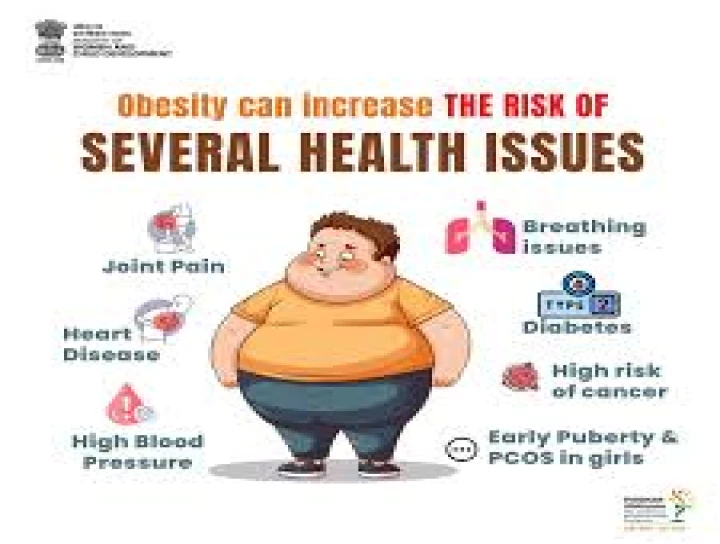
Obesity is more than just a weight issue—it is a complex health condition that affects nearly every system in the body. While it often develops gradually, its long-term impact can be serious if left unaddressed. Excess body fat doesn’t just sit harmlessly under the skin; it actively influences organs like the heart and liver, increasing the risk of chronic diseases and reducing overall quality of life. One of the most affected organs is the heart. Obesity forces the heart to work harder to pump blood throughout a larger body mass. Over time, this extra strain can lead to high blood pressure, also known as hypertension. When blood pressure remains elevated, it damages blood vessels and increases the risk of heart attacks and strokes. Additionally, obesity is closely linked to abnormal cholesterol levels, where “bad” LDL cholesterol increases and “good” HDL cholesterol decreases, further raising cardiovascular risk.
Another major concern is the development of heart disease. Excess fat, especially around the abdomen, is associated with inflammation in the body. This inflammation can damage arteries and contribute to the buildup of plaque, a condition known as atherosclerosis. Narrowed arteries restrict blood flow and can lead to serious complications such as coronary artery disease. The liver is another organ significantly affected by obesity. Excess fat in the body can accumulate in the liver, leading to a condition known as fatty liver disease. In its early stage, it may not cause noticeable symptoms, but over time it can progress to inflammation and liver damage. If untreated, it may lead to more severe conditions such as liver fibrosis or cirrhosis. This is particularly concerning because the liver plays a crucial role in detoxification, metabolism, and digestion.
Obesity also affects metabolism and blood sugar regulation. It increases the risk of developing insulin resistance, where the body’s cells do not respond properly to insulin. This condition can eventually lead to type 2 diabetes, a chronic illness that affects how the body processes glucose. Diabetes, in turn, further increases the risk of heart and liver complications, creating a dangerous cycle of health issues. Beyond the heart and liver, obesity impacts nearly every part of the body. It can cause joint pain due to extra pressure on bones and cartilage, especially in the knees and lower back. It can also lead to sleep disorders such as sleep apnea, where breathing repeatedly stops during sleep, resulting in poor rest and daytime fatigue. Mental health is another area affected by obesity. Many individuals experience low self-esteem, anxiety, or depression due to body image concerns or social stigma. These emotional challenges can sometimes lead to unhealthy eating habits, further worsening the condition.
The good news is that even modest weight loss can significantly improve health outcomes. Losing just 5–10% of body weight can help reduce blood pressure, improve cholesterol levels, and lower the risk of diabetes and heart disease. Lifestyle changes such as balanced nutrition, regular physical activity, adequate sleep, and stress management play a crucial role in long-term improvement.
In conclusion, obesity is not just about appearance—it has deep and wide-ranging effects on the heart, liver, and overall health. Understanding these risks is the first step toward making informed lifestyle choices. With consistent effort and healthy habits, it is possible to reduce these risks and improve long-term well-being.
No Any Replies to “How Obesity Affects Your Heart, Liver, and Overall Health”
Leave a Reply