

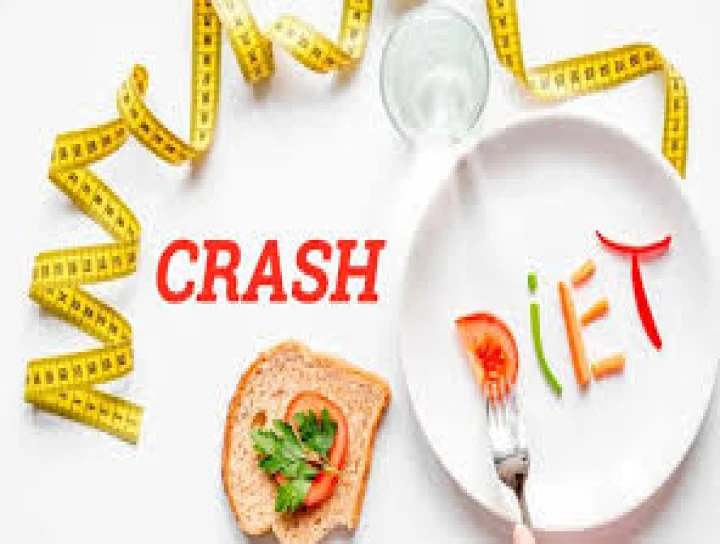
When it comes to losing weight, people are often tempted by quick fixes—“lose 5 kilos in a week” promises, juice cleanses, or extremely low-calorie diets. While these approaches, commonly known as crash dieting, may show short-term results, they rarely work in the long run. In fact, they can do more harm than good. Understanding the difference between healthy weight loss and crash dieting is key to achieving lasting results. Crash dieting typically involves drastic calorie restriction or eliminating entire food groups. Because the body is suddenly deprived of energy, it initially sheds weight quickly—mostly water and muscle, not just fat. However, this method is not sustainable. The body interprets severe restriction as starvation and slows down metabolism to conserve energy. This makes it harder to continue losing weight over time.
One of the biggest problems with crash dieting is the “yo-yo effect.” After the diet ends, most people return to their normal eating habits, and the body quickly regains the lost weight—often even more than before. This cycle of losing and regaining weight can negatively affect metabolism and make long-term weight management more difficult. Crash diets can also lead to nutritional deficiencies. Cutting out major food groups or eating too little can deprive the body of essential nutrients like vitamins, minerals, protein, and healthy fats. This may result in fatigue, hair loss, weakened immunity, and poor concentration. Over time, it can also affect overall health and energy levels.
On the other hand, healthy weight loss focuses on gradual, sustainable changes. Instead of extreme restrictions, it emphasizes balance, moderation, and long-term lifestyle improvements. A healthy approach typically involves a modest calorie deficit combined with nutrient-rich foods and regular physical activity. Unlike crash dieting, healthy weight loss prioritizes fat loss rather than muscle loss. This is important because muscle helps maintain metabolism. When you preserve muscle mass, your body continues to burn calories efficiently even at rest. A balanced diet plays a major role in sustainable weight loss. This includes whole foods like fruits, vegetables, whole grains, lean proteins, and healthy fats. These foods keep you full longer, reduce cravings, and provide essential nutrients that support overall health. Physical activity is another key factor. You don’t need extreme workouts—simple habits like walking, cycling, or strength training can make a big difference. Regular movement not only burns calories but also improves mood, energy levels, and cardiovascular health.
Sleep and stress management are often overlooked but equally important. Poor sleep and high stress levels can disrupt hormones that control hunger and appetite, leading to overeating. Maintaining a healthy sleep routine and managing stress through relaxation techniques can support weight loss efforts. The most important difference between crash dieting and healthy weight loss is sustainability. Crash diets are short-term solutions with temporary results, while healthy weight loss focuses on long-term lifestyle changes that you can maintain for life.
In conclusion, while crash dieting may seem appealing due to quick results, it is rarely effective or safe in the long run. Healthy weight loss, though slower, is far more sustainable and beneficial for overall well-being. By focusing on balanced nutrition, regular activity, and healthy habits, you can achieve lasting results and maintain a healthier lifestyle without extremes.
No Any Replies to “Healthy Weight Loss vs Crash Dieting: What Actually Works Long-Term”
Leave a Reply