

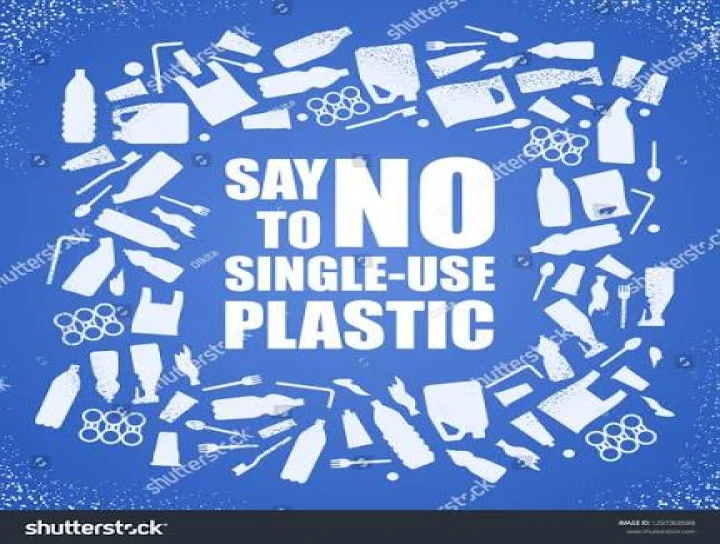
Plastic has become a common part of modern life because it is lightweight, durable, and versatile. However, products designed for one-time or very short use can create significant waste when they are discarded. Reducing unnecessary single-use plastic is therefore an important step toward more responsible consumption.
Single-use plastic items include many disposable bags, cups, cutlery, straws, food containers, and packaging materials. Some plastic products can be difficult to collect or recycle, particularly when they are contaminated or made from materials for which recycling systems are unavailable.
Moving toward plastic-free or low-plastic living does not require eliminating every plastic product. Instead, the focus can be on avoiding unnecessary disposable items and choosing reusable alternatives.
A reusable shopping bag is a simple replacement for disposable bags. Similarly, carrying a refillable water bottle can reduce dependence on packaged drinking water where safe refill facilities are available. Reusable food containers and cutlery can also be useful for students and employees who carry meals.
When shopping, consumers can look for products with minimal packaging and choose durable goods rather than disposable alternatives. Buying only what is needed can also reduce packaging waste.
We can contribute by reducing unnecessary plastic use during events and encouraging reusable alternatives. Water-refilling stations, plastic collection drives, awareness campaigns, and responsible waste segregation can support these efforts.
It is equally important to dispose of plastic responsibly. Where recycling systems exist, recyclable plastic should be separated and sent through appropriate collection channels. Littering should always be avoided because plastic waste can enter drains, waterways, and natural habitats.
The goal is not perfection but progress. Every disposable item avoided represents one less item requiring disposal. By carrying reusable products, choosing thoughtfully, reducing unnecessary packaging, and managing unavoidable waste responsibly, we can move toward cleaner and more sustainable communities.
No Any Replies to “Say No to Single-Use Plastic: A Guide to Plastic-Free Living”
Leave a Reply