

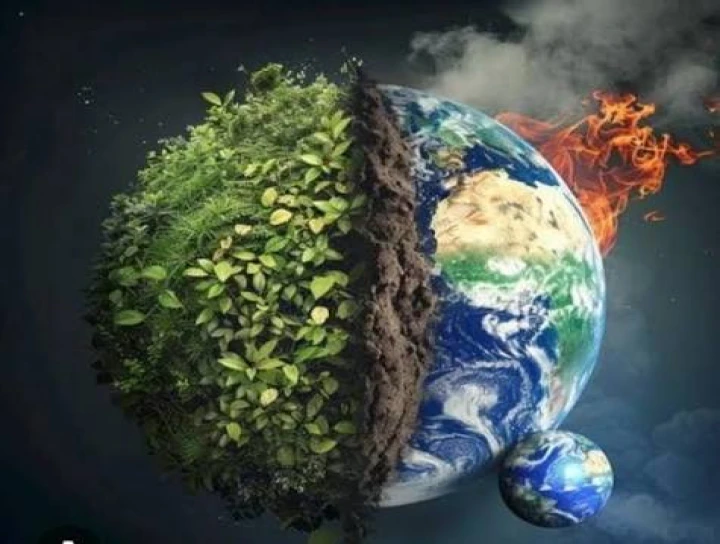
Climate change is one of the major environmental challenges of the modern era. It refers to long-term changes in temperature and other aspects of Earth's climate. The planet's climate has changed naturally throughout its history, but human activities have significantly increased greenhouse gas concentrations in the atmosphere, contributing to recent global warming.
The burning of coal, oil, and natural gas for energy and transportation is a major source of greenhouse gas emissions. Agriculture, industrial activities, land-use changes, and waste management also contribute to emissions.
Climate change can affect ecosystems, agriculture, water availability, human settlements, and biodiversity. Changes in temperature and precipitation patterns can influence farming conditions, while rising sea levels pose risks to coastal communities. Extreme weather events can also create significant social and economic challenges.
Addressing climate change involves two broad approaches: mitigation and adaptation. Mitigation means reducing greenhouse gas emissions or increasing the removal of carbon dioxide from the atmosphere. Renewable energy, energy efficiency, sustainable transportation, forest conservation, and responsible resource use can contribute to mitigation.
Adaptation involves preparing communities and ecosystems for climate-related impacts that are already occurring or expected to occur. Examples include improved water management, climate-resilient infrastructure, early-warning systems, and appropriate agricultural practices.
Individuals can contribute through energy conservation, sustainable transportation, reducing food and material waste, and supporting responsible consumption. Educational institutions can promote climate literacy and encourage students to participate in environmental projects.
Climate change is a complex challenge that cannot be solved through individual action alone. Governments, businesses, scientists, communities, and citizens all have important roles.
Understanding the science is an essential first step. When people understand the causes, consequences, and possible responses to climate change, they are better prepared to participate in informed and responsible environmental action.
No Any Replies to “Climate Change: Understanding the Challenge Facing Our Planet”
Leave a Reply