

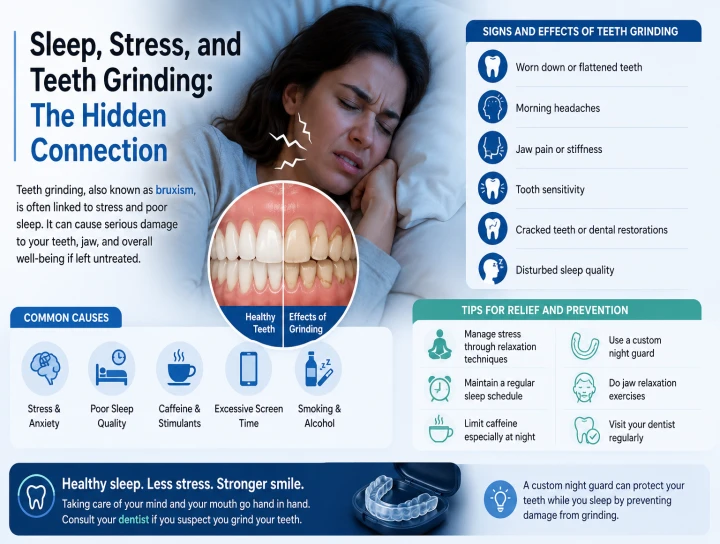
Sleep, Stress, and Teeth Grinding: The Hidden Connection
Modern lifestyles are increasingly associated with high levels of stress, irregular sleep patterns, and mental fatigue. While these factors are widely recognized for their impact on general health, their influence on oral health often remains overlooked. One of the most common manifestations of this connection is bruxism — the involuntary grinding or clenching of teeth, particularly during sleep.
Often unnoticed in its early stages, teeth grinding can gradually affect dental structures, jaw joints, muscles, and overall quality of life.
Understanding Bruxism
Bruxism refers to repetitive jaw-muscle activity characterized by clenching, grinding, or tightening of the teeth. It may occur during wakefulness or during sleep, with sleep bruxism being more difficult for individuals to recognize without professional evaluation.
Many patients remain unaware of the habit until symptoms begin to appear or significant tooth wear is detected during a dental examination.
The Role of Stress and Anxiety
Psychological stress is considered one of the primary contributing factors associated with bruxism. Emotional tension, anxiety, work-related pressure, and inadequate relaxation can increase muscular activity and parafunctional habits.
Stress-related bruxism may present with:
- Jaw tightness or facial fatigue
- Morning headaches
- Tenderness in jaw muscles
- Neck and shoulder discomfort
- Interrupted or poor-quality sleep
In many individuals, the habit intensifies during periods of emotional or occupational stress.
Sleep Disturbances and Bruxism
Poor sleep quality and sleep disorders are also closely associated with nocturnal teeth grinding. Conditions such as:
- Sleep deprivation
- Irregular sleep schedules
- Obstructive sleep apnea
- Excessive screen exposure before bedtime
may contribute to altered neuromuscular activity during sleep.
The relationship between sleep and oral health is bidirectional — disturbed sleep may worsen bruxism, while chronic grinding can further impair sleep quality.
Effects of Teeth Grinding on Oral Health
If left unmanaged, chronic bruxism may result in:
- Tooth wear and enamel loss
- Fractured teeth or restorations
- Increased tooth sensitivity
- Gum recession
- Temporomandibular joint (TMJ) discomfort
- Facial muscle hypertrophy
- Difficulty in jaw movement
In severe cases, long-term grinding can compromise both function and esthetics.
Modern Lifestyle Factors Contributing to Bruxism
Contemporary habits may further increase the prevalence of teeth grinding, including:
- Excessive caffeine intake
- Smoking and alcohol consumption
- Prolonged screen time
- High occupational stress
- Reduced physical activity
- Irregular sleeping patterns
Awareness of these contributing factors is essential in developing preventive strategies.
Diagnosis and Professional Evaluation
Dentists often identify signs of bruxism during routine clinical examinations through:
- Flattened or worn tooth surfaces
- Cracks in enamel
- Muscle tenderness
- Occlusal changes
- Evidence of clenching patterns
In some cases, further evaluation for sleep disorders may also be recommended.
Management and Preventive Measures
Effective management of bruxism generally requires a multidisciplinary and individualized approach.
Common preventive and therapeutic strategies include:
✔ Stress reduction and relaxation techniques
✔ Maintaining consistent sleep schedules
✔ Limiting caffeine intake, especially at night
✔ Avoiding tobacco and excessive alcohol
✔ Jaw muscle relaxation exercises
✔ Use of custom night guards or occlusal splints
✔ Management of underlying sleep disorders
Behavioral modifications and early intervention often help prevent long-term damage.
The Importance of Holistic Oral Health
Bruxism highlights the close relationship between emotional wellbeing, sleep quality, and oral health. Dentistry today increasingly recognizes the importance of addressing lifestyle and systemic factors alongside conventional dental treatment.
Protecting oral health is not limited to brushing and flossing alone — adequate sleep, stress management, and overall wellness are equally important in maintaining a healthy and functional smile.
Conclusion
Sleep disturbances and chronic stress can silently influence oral health through habits such as teeth grinding. Because bruxism often develops gradually and painlessly, early diagnosis and preventive care remain essential.
A balanced lifestyle, healthy sleep habits, and regular dental evaluation can play a significant role in protecting both oral structures and overall wellbeing.
No Any Replies to “Sleep, Stress, and Teeth Grinding: The Hidden Connection”
Leave a Reply