

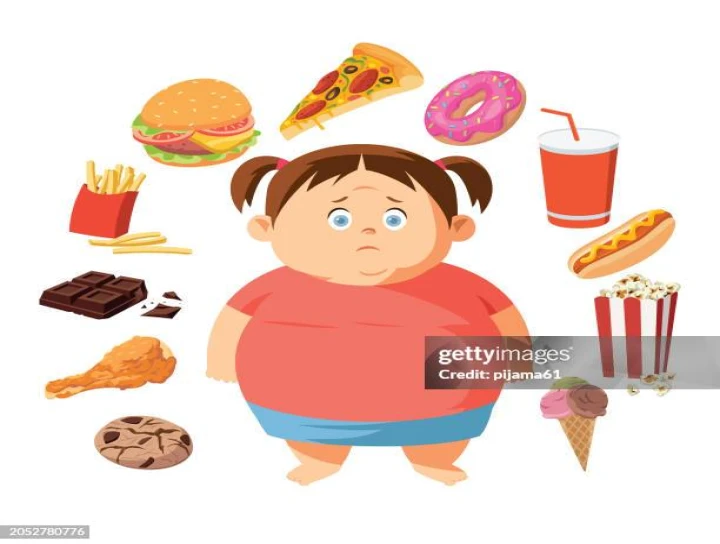
Obesity is often oversimplified as just the result of eating too much or exercising too little. While diet and physical activity are important factors, the reality is far more complex. Obesity develops due to a combination of biological, environmental, psychological, and lifestyle influences. Understanding these deeper causes is essential for addressing the condition effectively and sustainably.
One of the key factors behind obesity is genetics. Research shows that some people are genetically predisposed to gain weight more easily than others. Genes can influence how the body stores fat, regulates appetite, and burns calories. While genetics alone do not determine obesity, they can make weight management more challenging for certain individuals. Hormonal imbalances also play a significant role. Hormones like insulin, leptin, and cortisol regulate hunger, metabolism, and fat storage. When these hormones are disrupted, it can lead to increased appetite, cravings, and fat accumulation. Conditions such as hypothyroidism or insulin resistance are often linked to unexplained weight gain and difficulty losing weight. Modern lifestyles are another major contributor. Many people spend long hours sitting at desks, commuting, or using digital devices. This sedentary behavior significantly reduces daily calorie expenditure. Even if someone eats a relatively balanced diet, a lack of physical movement can still lead to gradual weight gain over time.
Sleep is another often-overlooked factor. Poor sleep patterns or chronic sleep deprivation can disrupt hunger hormones, increasing cravings for high-calorie foods. When the body is tired, it also tends to seek quick energy sources, often in the form of sugary or processed foods. Over time, this can contribute to weight gain and metabolic imbalance. Stress is another powerful but underestimated cause of obesity. When the body is under stress, it produces higher levels of cortisol, a hormone that can increase appetite and encourage fat storage, particularly around the abdomen. Many people also turn to “emotional eating” as a coping mechanism, consuming comfort foods that are high in sugar, fat, and calories. Environmental factors also play a major role. Easy access to fast food, large portion sizes, and highly processed snacks makes it difficult to maintain healthy eating habits. In many urban settings, unhealthy food options are often cheaper and more convenient than nutritious alternatives, influencing daily choices.
Certain medications can also contribute to weight gain. Drugs used for conditions like depression, diabetes, or high blood pressure may affect metabolism or increase appetite as a side effect. This makes weight management more complicated for individuals who rely on long-term treatment. Psychological factors, including depression, anxiety, and low self-esteem, are closely linked to obesity as well. These conditions can affect motivation, eating patterns, and physical activity levels, creating a cycle that is difficult to break without support. It is important to recognize that obesity is not simply a matter of willpower. It is a multifactorial condition influenced by many interconnected elements. Focusing only on diet ignores the broader picture and can lead to ineffective or unsustainable solutions.
In conclusion, obesity happens for many reasons beyond just eating habits. Genetics, hormones, sleep, stress, environment, and mental health all play important roles. A more holistic understanding of these factors can lead to better prevention strategies and more compassionate, effective approaches to weight management.
No Any Replies to “Why Obesity Happens: Understanding the Root Causes Beyond Diet”
Leave a Reply