

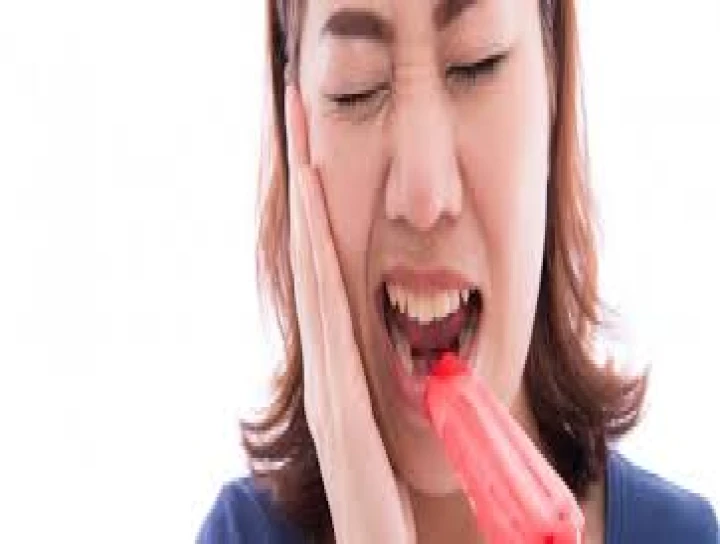
If you’ve ever felt a sharp, sudden pain in your teeth while sipping cold water or enjoying ice cream, you’re not alone. Tooth sensitivity is a common issue that affects people of all ages. While it may seem minor at first, it can become uncomfortable enough to interfere with everyday eating and drinking. Understanding the causes and simple remedies can help you manage it effectively. Tooth sensitivity usually occurs when the protective layers of your teeth become compromised. The outer layer, called enamel, shields the inner part of the tooth. Beneath the enamel lies dentin, which contains tiny nerve pathways. When enamel wears down or gums recede, these pathways become exposed, allowing hot, cold, or acidic substances to trigger pain.
One of the most common causes is aggressive brushing. Many people think brushing harder leads to cleaner teeth, but in reality, it can wear down enamel and irritate the gums. Over time, this can expose the sensitive parts of the tooth. Using a soft-bristled toothbrush and gentle circular motions can help prevent further damage. Another major cause is gum recession. This can happen due to aging, gum disease, or improper brushing techniques. When gums pull back, the roots of the teeth become exposed, which are not protected by enamel. This often leads to increased sensitivity, especially when eating or drinking something hot or cold. Teeth grinding, also known as bruxism, is another factor. Many people grind their teeth unconsciously during sleep or times of stress. Over time, this wears down enamel and increases sensitivity. Wearing a night guard can help protect your teeth if grinding is the issue.
Acidic foods and beverages can also contribute. Drinks like soda, citrus juices, and even some fruits can erode enamel if consumed frequently. Similarly, acid reflux can bring stomach acids into contact with teeth, gradually weakening their protective surface. Dental treatments such as whitening procedures may temporarily increase sensitivity as well. While this usually fades over time, it can be uncomfortable in the short term. The good news is that tooth sensitivity can often be managed with simple remedies. One of the easiest solutions is switching to a toothpaste designed for sensitive teeth. These contain compounds that help block nerve signals, reducing pain over time with regular use. Improving your brushing technique is equally important. Avoid brushing too hard and make sure to use a soft-bristled toothbrush. Brushing twice a day is essential, but gentle pressure is key to preventing further enamel wear.
Reducing acidic foods and drinks can also make a big difference. If you do consume them, try rinsing your mouth with water afterward to help neutralize acids. Avoid brushing immediately after acidic meals, as enamel is temporarily softened and more vulnerable. Fluoride treatments, available from dentists, can help strengthen enamel and reduce sensitivity. In some cases, dentists may also apply protective coatings or sealants to exposed root surfaces. If teeth grinding is the cause, stress management techniques and custom mouthguards can help protect your teeth while you sleep. While mild sensitivity is common, persistent or severe discomfort should not be ignored. It may indicate an underlying dental issue such as decay or gum disease that requires professional attention.
In the end, tooth sensitivity is manageable with the right care and habits. By understanding the causes and making small adjustments to your daily routine, you can reduce discomfort and protect your smile for the long term.
No Any Replies to “Sensitive Teeth: Causes and Simple Remedies”
Leave a Reply