

Intermittent fasting (IF) has surged in popularity as a simple yet powerful approach to weight management and overall health. Unlike traditional diets that focus on what you eat, intermittent fasting emphasizes when you eat. From celebrities to fitness enthusiasts, many swear by its results—but is it truly effective, and is it safe for everyone?
What Is Intermittent Fasting?
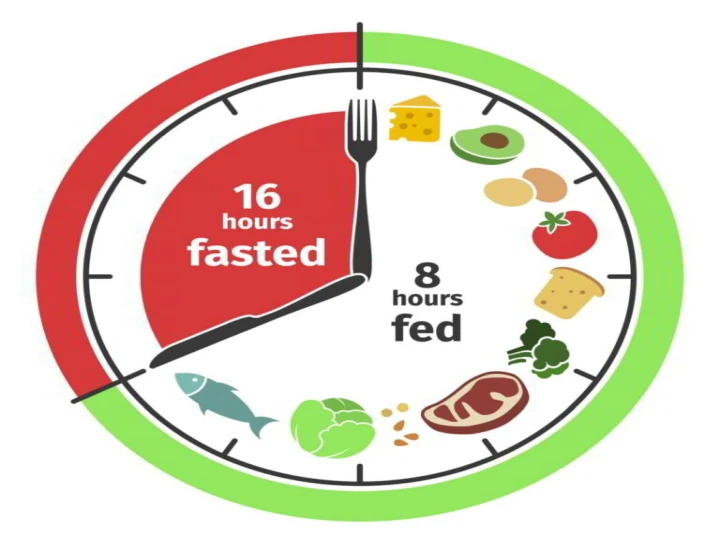
Intermittent fasting involves cycling between periods of eating and fasting. Common methods include the 16:8 approach (fasting for 16 hours and eating within an 8-hour window), alternate-day fasting, or the 5:2 method, where calorie intake is restricted on two non-consecutive days each week. Rather than restricting specific foods, IF focuses on limiting the time frame in which you consume them.
The Potential Benefits
One of the most well-known benefits of intermittent fasting is weight loss. By reducing the eating window, many people naturally consume fewer calories. Additionally, fasting can improve insulin sensitivity, which helps the body regulate blood sugar more effectively—an important factor in preventing conditions like type 2 diabetes.
Research also suggests that intermittent fasting may support metabolic health. During fasting periods, the body shifts from using glucose as its primary energy source to burning stored fat, a process known as metabolic switching. This can contribute to fat loss over time.
Another promising benefit is cellular repair. Fasting triggers a process called autophagy, where the body removes damaged cells and regenerates new ones. While much of this research is still emerging, it has sparked interest in fasting’s potential role in longevity and disease prevention.
Many individuals also report improved mental clarity and focus while fasting. Although the exact mechanisms are still being studied, stable blood sugar levels and reduced inflammation may play a role.
The Risks and Downsides
Despite its advantages, intermittent fasting is not suitable for everyone. Some people experience side effects such as fatigue, irritability, headaches, and difficulty concentrating—especially during the initial adjustment period.
For individuals with certain medical conditions, such as diabetes or a history of eating disorders, fasting can be risky and should only be attempted under medical supervision. Skipping meals may also lead to overeating later, negating potential benefits.
Women, in particular, may need to approach intermittent fasting with caution. Some studies suggest that prolonged fasting can affect hormonal balance, potentially impacting menstrual cycles and reproductive health.
Another concern is nutrient intake. If not planned properly, restricting eating windows can lead to inadequate consumption of essential nutrients, especially if meals are not balanced.
Common Myths About Intermittent Fasting
One widespread myth is that fasting slows down your metabolism. In reality, short-term fasting may slightly increase metabolic rate due to hormonal changes. However, prolonged calorie restriction can have the opposite effect.
Another misconception is that you can eat anything during your eating window and still see results. While timing matters, food quality remains crucial. A diet high in processed foods can undermine the benefits of fasting.
Some also believe that skipping breakfast is inherently unhealthy. In truth, meal timing is highly individual. What matters most is overall dietary quality and consistency, not whether you eat at a specific hour.
Is It Right for You?
Intermittent fasting can be an effective tool for improving health and managing weight—but it’s not a one-size-fits-all solution. The key is to approach it thoughtfully, listen to your body, and prioritize balanced nutrition.
For some, IF offers a sustainable and flexible way to build healthier habits. For others, a more traditional eating pattern may be a better fit. Ultimately, the best approach is the one you can maintain while supporting your long-term well-being.
No Any Replies to “Intermittent Fasting: Benefits, Risks, and Myths”
Leave a Reply