

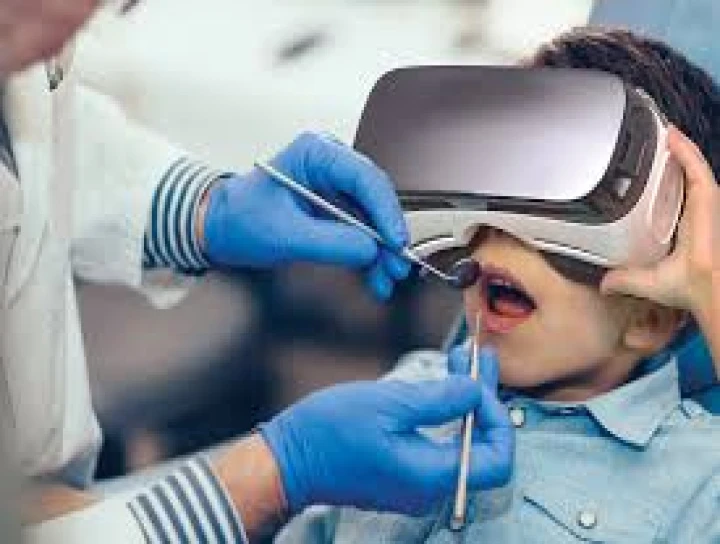
For many people, a visit to the dentist is accompanied by anxiety, discomfort, and even fear. The sound of dental instruments, the anticipation of pain, and the clinical environment can make procedures stressful for patients of all ages. In recent years, however, an unexpected technological innovation has begun to transform this experience - Virtual Reality (VR). Once primarily associated with gaming and entertainment, VR is now being used in healthcare settings, including dentistry, to reduce pain and improve patient comfort.
Virtual Reality works by immersing users in a simulated environment, typically through a headset that blocks out the real world and replaces it with engaging visual and auditory experiences. In a dental setting, patients can wear VR headsets during procedures, allowing them to “escape” into calming landscapes, guided meditations, or interactive scenarios. This immersive distraction plays a crucial role in pain management.
The science behind VR’s effectiveness lies in the brain’s limited capacity to process multiple stimuli at once. When a patient is fully engaged in a virtual environment, their attention is diverted away from the dental procedure. This reduces the perception of pain and discomfort, a concept known as “distraction therapy.” Studies have shown that patients using VR during medical procedures report lower pain levels and reduced anxiety compared to those who do not.
In dentistry, VR is particularly useful for procedures that require patients to remain still for extended periods, such as root canals, fillings, or tooth extractions. By providing a visual and auditory escape, VR helps patients relax and remain cooperative, which can also make the dentist’s job easier and more efficient. For children and individuals with dental phobia, VR can be especially beneficial, turning a potentially traumatic experience into a more manageable one.
Some dental clinics are also using VR as a preparatory tool. Before a procedure, patients can experience a virtual walkthrough of the dental process, helping them understand what to expect. This familiarity can significantly reduce fear of the unknown, which is a major contributor to dental anxiety. In pediatric dentistry, VR games and storytelling experiences are used to build positive associations with dental visits, encouraging better long-term oral health habits.
Beyond distraction, VR is being explored for its potential in pain modulation. Certain applications incorporate guided breathing, mindfulness, and biofeedback techniques that help patients regulate their physiological responses to stress. By lowering heart rate and muscle tension, these experiences can further reduce the sensation of pain and improve overall comfort during treatment.
Despite its advantages, the use of VR in dentistry is not without challenges. The cost of equipment, the need for proper hygiene protocols, and the integration of VR into existing clinical workflows can be barriers for some practices. Additionally, not all patients may be comfortable using VR headsets, particularly those who experience motion sickness or have certain medical conditions.
There is also the question of effectiveness across different types of procedures and patient populations. While early results are promising, more research is needed to establish standardized guidelines and determine the long-term benefits of VR in dental care. As technology continues to advance, improvements in headset design, content quality, and user experience are likely to make VR more accessible and widely adopted.
In conclusion, Virtual Reality is emerging as a powerful tool in modern dentistry, offering a non-invasive and engaging way to reduce pain and anxiety during procedures. By shifting the patient’s focus away from discomfort and toward immersive experiences, VR has the potential to redefine the dental visit. As research and technology evolve, this innovative approach could become a standard feature in dental clinics, making oral healthcare more comfortable and less intimidating for patients around the world.
No Any Replies to ““How VR Is Being Used to Reduce Pain in Dental Procedures””
Leave a Reply