

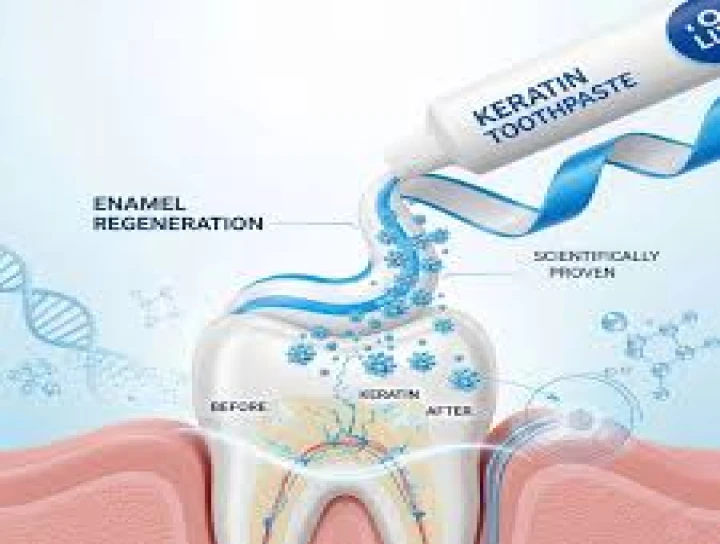
The world of oral care is constantly evolving, with innovations aimed at making dental treatments more effective, less invasive, and accessible to everyday consumers. One of the latest concepts generating curiosity is keratin toothpaste—a product that claims to help repair early tooth damage and potentially reverse cavities. But is keratin really the future of cavity repair, or is it just another trending ingredient riding the wave of modern dental marketing?
Keratin is a structural protein naturally found in hair, skin, and nails. Known for its strength and protective qualities, it has long been used in cosmetic and personal care products. The idea behind keratin toothpaste is that this protein can bind to weakened areas of tooth enamel, helping to reinforce and restore its structure. This concept aligns with a broader shift in dentistry toward remineralization—the process of restoring minerals to enamel before decay progresses into a full cavity.
Traditionally, fluoride has been the gold standard for cavity prevention and early repair. It works by strengthening enamel and making it more resistant to acid attacks from bacteria and food particles. In cases of very early decay, fluoride can even help reverse damage by promoting remineralization. Keratin-based formulations, however, are being explored as a complementary or alternative approach, particularly for individuals seeking fluoride-free options.
Proponents of keratin toothpaste suggest that it can fill microscopic cracks and imperfections in enamel, creating a smoother surface that is less prone to bacterial adhesion. Some formulations also combine keratin with other active ingredients like calcium phosphate or hydroxyapatite, which are known to support enamel repair. Together, these components aim to mimic the natural composition of teeth and enhance the body’s ability to heal minor damage.
Despite the promising theory, scientific evidence supporting keratin toothpaste is still limited. Most research in oral care continues to focus on well-established ingredients like fluoride and nano-hydroxyapatite, both of which have demonstrated effectiveness in clinical settings. Keratin, on the other hand, has not yet been widely studied for its role in dental health, and its ability to penetrate and bond with enamel remains under investigation.
It is also important to understand the distinction between repairing early enamel damage and treating established cavities. Once a cavity has formed—meaning the enamel has been permanently breached—no toothpaste, keratin-based or otherwise, can fully restore the tooth. At that stage, professional dental intervention, such as fillings or crowns, is necessary. Keratin toothpaste may have potential in preventing or slowing the progression of early decay, but it is not a substitute for clinical treatment.
Another consideration is consumer perception. The idea of a toothpaste that can “repair cavities” is highly appealing, but it can also be misleading if not properly explained. Marketing claims must be approached with caution, and users should look for products that are supported by credible research and approved by dental health authorities.
That said, innovation in oral care should not be dismissed. The exploration of new ingredients like keratin reflects a growing interest in biomimetic dentistry—an approach that seeks to replicate the natural structure and function of biological tissues. If future studies confirm its effectiveness, keratin could become a valuable addition to the toolkit for maintaining oral health.
In conclusion, while keratin toothpaste presents an intriguing possibility for the future of cavity prevention and early repair, it is not yet a proven replacement for established treatments. As research continues, consumers should remain informed and consult dental professionals when considering new products. For now, maintaining a consistent oral hygiene routine, using clinically validated toothpaste, and scheduling regular dental check-ups remain the most reliable ways to protect and preserve dental health.
No Any Replies to ““Keratin Toothpaste: The Future of Cavity Repair?””
Leave a Reply