

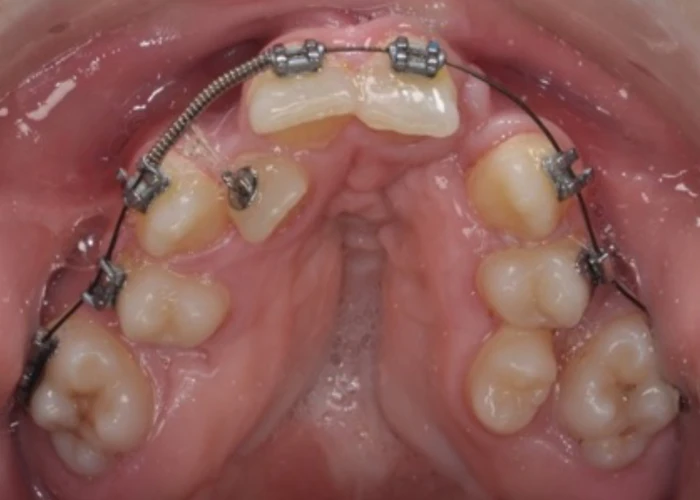
Cleft lip and palate are among the most common congenital craniofacial anomalies resulting from incomplete fusion of facial structures during embryonic development. These conditions can significantly affect facial esthetics, speech, feeding, hearing, mastication, and psychological well-being. Early diagnosis and timely intervention are essential to ensure proper growth and development of the craniofacial complex and to improve the patient’s overall quality of life. Management of cleft lip and palate requires a multidisciplinary approach involving plastic surgeons, orthodontists, pediatric dentists, speech therapists, ENT specialists, and psychologists.
Orthodontists play a vital role in the comprehensive treatment of cleft lip and palate patients from infancy through adulthood. They help in guiding maxillary growth, correcting developing malocclusions, aligning displaced teeth, and managing arch discrepancies commonly associated with cleft deformities. Orthodontic treatment is often required before and after surgical procedures such as alveolar bone grafting and orthognathic surgery to achieve optimal functional and esthetic outcomes. Through careful planning and long-term follow-up, orthodontists contribute significantly to improving occlusion, facial harmony, speech function, and overall rehabilitation of cleft patients.