

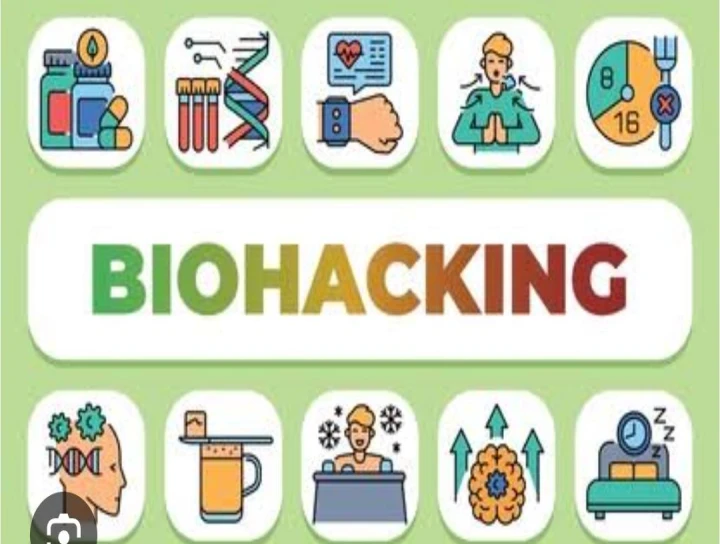
“Biohacking” has become a buzzword in the health and wellness space, often associated with futuristic gadgets, extreme diets, and promises of superhuman performance. But beneath the hype lies a simple idea: making small, intentional changes to improve how your body and mind function. The real question is—what actually works, and what’s just marketing?
At its core, biohacking isn’t about expensive tech or radical experiments. The most effective strategies are often grounded in basic biology and supported by research.
1. Sleep Optimization: The Foundation of Everything
If there’s one biohack that consistently delivers results, it’s improving sleep. Quality sleep enhances memory, mood, metabolism, and immune function. Simple adjustments—like maintaining a consistent sleep schedule, reducing screen exposure before bed, and keeping your room dark and cool—can have a profound impact.
Many biohackers invest in sleep trackers, but even without gadgets, paying attention to how rested you feel each morning can guide meaningful changes. No supplement or device can compensate for chronic sleep deprivation.
2. Nutrition: Personalized, Not Trendy
Biohacking often promotes specialized diets, from keto to intermittent fasting. While some people thrive on these approaches, there’s no universal “perfect diet.” What works best is understanding your own body’s response to food.
Focusing on whole, minimally processed foods is a reliable baseline. Beyond that, tracking how meals affect your energy, digestion, and focus can help you refine your diet. For some, intermittent fasting improves mental clarity; for others, it leads to fatigue. The key is personalization, not blind adherence to trends.
3. Movement: Consistency Over Intensity
You don’t need extreme workouts to see benefits. Regular physical activity—walking, strength training, or even short daily exercise sessions—can significantly improve cardiovascular health, mood, and longevity.
Biohackers sometimes experiment with cold exposure or high-intensity training protocols, but the biggest gains still come from consistency. A sustainable routine you stick to will outperform any short-lived, intense regimen.
4. Mindfulness and Stress Management
Chronic stress quietly undermines nearly every aspect of health. Practices like meditation, deep breathing, and journaling are often overlooked because they seem too simple—but they work.
Even a few minutes of daily mindfulness can reduce cortisol levels, improve focus, and enhance emotional resilience. Unlike many trendy biohacks, these techniques are low-cost and backed by strong evidence.
5. Data Tracking: Helpful, but Not Essential
Wearables and health apps can provide useful insights into sleep, activity, and heart rate. They can help identify patterns and motivate behavior change. However, obsessing over data can sometimes create unnecessary anxiety.
The most effective use of tracking is as a feedback tool—not a source of stress. If the data helps you make better decisions, it’s valuable. If it overwhelms you, it’s counterproductive.
What Doesn’t Work
Many biohacking trends promise dramatic results with little effort—think miracle supplements, detoxes, or expensive devices with limited scientific backing. These often rely more on marketing than evidence.
That doesn’t mean all new ideas are ineffective, but skepticism is essential. If something sounds too good to be true, it probably is.
Real biohacking isn’t about hacking your body in extreme ways—it’s about understanding and supporting it. Prioritizing sleep, eating well, staying active, managing stress, and making data-informed adjustments are the strategies that consistently work.
In a world full of shortcuts and quick fixes, the most powerful “biohacks” are still the simplest ones. The challenge isn’t discovering them—it’s practicing them consistently.
No Any Replies to “Biohacking Your Health: What Actually Works?”
Leave a Reply