

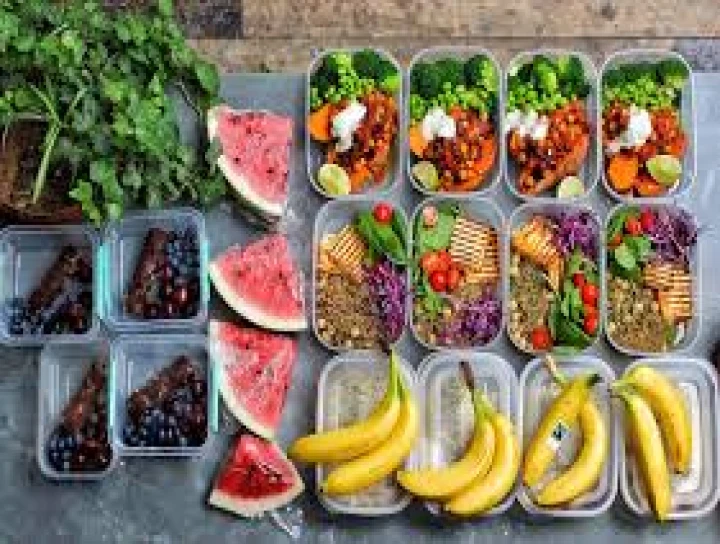
When it comes to nutrition, few debates are as popular as the comparison between plant-based diets and high-protein diets. Both approaches have passionate supporters and impressive success stories. But which one is actually better? The answer isn’t as simple as choosing one over the other—it depends on your goals, lifestyle, and how well each diet is implemented.
Understanding the Basics
A plant-based diet focuses primarily on foods derived from plants, including fruits, vegetables, whole grains, legumes, nuts, and seeds. While some people follow a fully vegan approach, others include small amounts of animal products.
On the other hand, a high-protein diet emphasizes increased protein intake, often from sources like meat, eggs, dairy, and sometimes plant-based proteins. These diets are especially popular among fitness enthusiasts aiming for muscle growth and fat loss.
Benefits of a Plant-Based Diet
Plant-based diets are widely associated with improved overall health. They are typically rich in fiber, vitamins, minerals, and antioxidants, which support heart health and digestion. Studies have shown that people who follow plant-based diets often have lower risks of heart disease, high blood pressure, and certain chronic illnesses.
Another major advantage is weight management. High-fiber foods tend to be more filling, which can help reduce overall calorie intake without strict portion control.
Additionally, plant-based diets are often considered more sustainable and environmentally friendly, making them appealing to those concerned about climate impact.
Benefits of a High-Protein Diet
High-protein diets are particularly effective for building and maintaining muscle mass.
Protein plays a crucial role in muscle repair and recovery, making it essential for active individuals and athletes.
These diets can also support weight loss. Protein increases satiety, helping you feel full for longer and reducing the likelihood of overeating. It also has a higher thermic effect, meaning your body burns more calories digesting protein compared to fats or carbohydrates.
For those trying to improve body composition, a high-protein approach can be very effective when combined with resistance training.
Potential Drawbacks
While plant-based diets offer many benefits, they require careful planning to avoid nutrient deficiencies. Key nutrients like vitamin B12, iron, omega-3 fatty acids, and protein must be monitored, especially in fully vegan diets.
High-protein diets, particularly those heavily reliant on animal products, may come with risks if not balanced properly. Excessive intake of processed meats or saturated fats can negatively impact heart health. Additionally, some people may experience digestive issues or strain on the kidneys if protein intake is excessively high.
Which One Is Better?
The truth is, neither diet is universally “better.” A well-balanced plant-based diet can provide all essential nutrients and promote long-term health. Similarly, a high-protein diet can be highly effective for muscle building and weight management.
In fact, the best approach may lie somewhere in between. A diet that incorporates plenty of plant-based foods while ensuring adequate protein intake—whether from plant or animal sources—can offer the benefits of both worlds.
Finding What Works for You
Choosing the right diet depends on your personal goals. If your focus is overall health, longevity, and sustainability, a plant-based approach may be ideal. If your goal is muscle gain or fat loss, prioritizing protein intake becomes more important.
Ultimately, consistency and balance matter more than labels. A diet filled with whole, nutrient-dense foods—regardless of whether it leans plant-based or high-protein—is what truly supports long-term health.
In Conclusion
The debate between plant-based and high-protein diets doesn’t have a one-size-fits-all answer. Instead of focusing on extremes, it’s more helpful to understand the strengths of each approach and apply them in a way that suits your lifestyle. Because in the end, the “best” diet is the one you can sustain—and the one that helps you feel and function at your best.
No Any Replies to “Plant-Based Diet vs High-Protein Diet: Which Is Better?”
Leave a Reply