

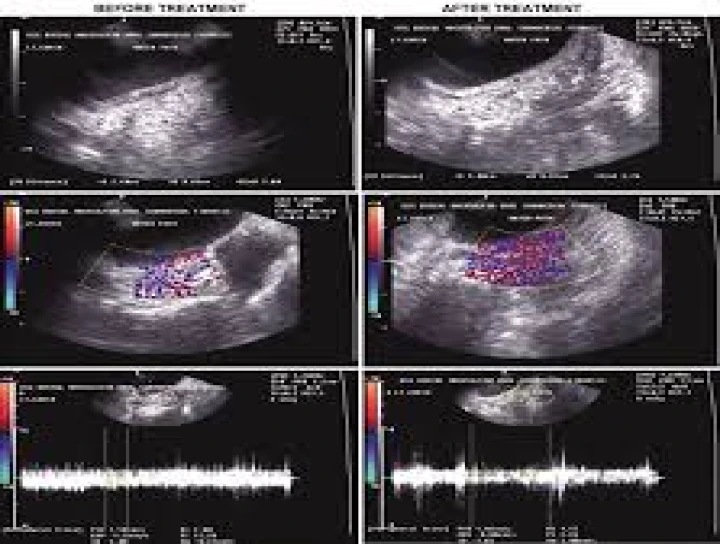
Comparative Ultrasonographic Evaluation of the Masseter Muscle in Patients with and without Oral Submucous Fibrosis
Oral submucous fibrosis (OSMF) is a chronic, progressive, potentially malignant disorder characterized by juxta-epithelial inflammation and fibrosis of the oral mucosa, leading to progressive trismus and functional limitation. While the disease primarily affects the oral mucosa, long-standing fibrosis and restricted jaw movements also influence the masticatory muscles, particularly the masseter muscle. Ultrasonography (USG) has emerged as a non-invasive, cost-effective, and reliable imaging modality for evaluating muscle morphology and thickness. Comparative ultrasonographic assessment of the masseter muscle in patients with and without OSMF provides valuable insight into disease-related muscular changes.
In healthy individuals, the masseter muscle demonstrates normal echogenicity and uniform thickness on ultrasonography. The muscle fibers are well organized, and thickness increases during clenching due to normal muscle contraction. In contrast, patients with OSMF exhibit significant alterations in masseter muscle morphology as a consequence of reduced mandibular mobility, chronic inflammation, and secondary muscular involvement.
Ultrasonographic evaluation in OSMF patients commonly reveals reduced masseter muscle thickness compared to individuals without OSMF. This reduction is attributed to disuse atrophy resulting from restricted mouth opening and limited functional activity. Studies have shown that the degree of muscle thinning correlates with the clinical severity of OSMF, with advanced stages demonstrating more pronounced reduction in thickness. Additionally, echotextural changes such as increased echogenicity may be observed, indicating fatty infiltration or fibrotic changes within the muscle.
Dynamic ultrasonography, performed during relaxed and clenched states, further highlights functional differences between the two groups. In individuals without OSMF, a significant increase in masseter thickness is observed during clenching, reflecting normal muscle contractility. Conversely, OSMF patients show reduced or minimal change in muscle thickness during contraction, suggesting compromised muscle function and reduced contractile efficiency.
Comparative analysis also reveals asymmetry in masseter muscle thickness in some OSMF patients, possibly due to unilateral chewing habits or uneven fibrotic involvement. These findings underscore the impact of OSMF on the neuromuscular system beyond the oral mucosa. Ultrasonography thus serves as a valuable adjunct in assessing the functional status of masticatory muscles in OSMF.
The advantages of ultrasonography include its non-invasive nature, absence of ionizing radiation, real-time imaging capability, and ease of repetition, making it suitable for both diagnosis and follow-up. Serial ultrasonographic evaluation can be used to monitor disease progression or assess the effectiveness of therapeutic interventions such as physiotherapy, intralesional injections, and habit cessation.
In conclusion, comparative ultrasonographic evaluation of the masseter muscle demonstrates significant differences in muscle thickness, echogenicity, and functional dynamics between patients with and without oral submucous fibrosis. These findings reflect the secondary involvement of masticatory muscles in OSMF and highlight the utility of ultrasonography as an effective, non-invasive tool for comprehensive assessment and monitoring of this condition.
No Any Replies to “Comparative Ultrasonographic Evaluation of the Masseter Muscle in Patients with and without Oral Submucous Fibrosis”
Leave a Reply