

Evaluation of Salivary Sialic Acid and Salivary Alpha-L-Fucosidase Levels in Patients with Oral Submucous Fibrosis
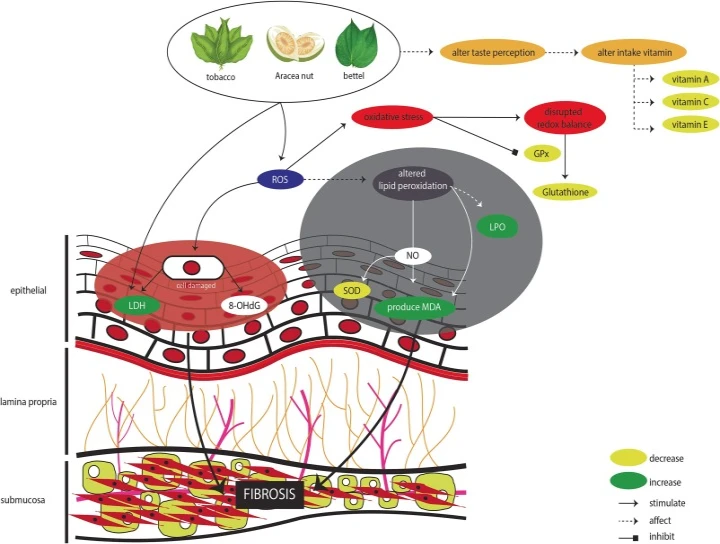
Oral submucous fibrosis (OSMF) is a chronic, progressive, potentially malignant disorder of the oral cavity characterized by inflammation and progressive fibrosis of the oral mucosa, leading to restricted mouth opening, burning sensation, and increased risk of malignant transformation. Areca nut chewing is the primary etiological factor, with nutritional deficiencies, genetic predisposition, and immunological factors also contributing to disease progression. Early diagnosis and monitoring of OSMF are crucial for preventing malignant transformation, and salivary biomarkers have emerged as a valuable, non-invasive diagnostic tool.
Sialic acid is an important terminal component of glycoproteins and glycolipids, playing a significant role in cellular recognition, adhesion, and immune responses. Alterations in sialic acid levels are associated with inflammation, fibrosis, and malignant transformation. In patients with OSMF, increased epithelial turnover, chronic inflammation, and altered glycoprotein metabolism lead to elevated salivary sialic acid levels. Studies have shown that salivary sialic acid levels tend to rise progressively with the severity of OSMF, reflecting increased cellular damage and dysplastic changes within the oral epithelium.
Alpha-L-fucosidase is a lysosomal enzyme involved in the degradation of fucose-containing glycoproteins and glycolipids. Elevated levels of alpha-L-fucosidase have been reported in various inflammatory and malignant conditions, including oral potentially malignant disorders. In OSMF, increased enzyme activity is believed to result from enhanced cellular turnover, inflammatory cell infiltration, and degradation of extracellular matrix components. Salivary alpha-L-fucosidase levels have been found to correlate with the clinical and histopathological stages of OSMF, showing higher values in advanced stages of the disease.
The evaluation of salivary sialic acid and alpha-L-fucosidase levels offers several advantages. Saliva collection is simple, non-invasive, cost-effective, and easily repeatable, making it suitable for large-scale screening and longitudinal monitoring. Combined assessment of these biomarkers provides insight into both inflammatory activity and metabolic alterations associated with fibrosis and malignant potential. Elevated levels of these salivary markers may serve as early indicators of disease progression and increased risk of malignant transformation.
Furthermore, monitoring changes in salivary sialic acid and alpha-L-fucosidase levels during treatment may help assess therapeutic response and disease regression. Reduction in biomarker levels following cessation of habit and medical management may indicate clinical improvement, whereas persistently elevated levels could signal ongoing disease activity or early malignant change.
In conclusion, salivary sialic acid and alpha-L-fucosidase are promising biochemical markers in the evaluation of oral submucous fibrosis. Their elevated levels reflect underlying inflammatory, fibrotic, and premalignant changes in the oral mucosa. Incorporation of these salivary biomarkers into routine clinical assessment may enhance early diagnosis, staging, and monitoring of OSMF, thereby improving patient prognosis and facilitating timely intervention.
No Any Replies to “Evaluation of Salivary Sialic Acid and Salivary Alpha-L-Fucosidase Levels in Patients with Oral Submucous Fibrosis”
Leave a Reply