

Gum recession is a common dental issue that affects millions of people worldwide. Whether due to poor oral hygiene, aggressive brushing, gum disease, or genetics, the loss of gum tissue not only impacts your smile but also exposes tooth roots, increasing sensitivity and the risk of decay. A frequently asked question among those facing gum recession is: Can gums grow back? The short answer is complicated. While gums don't naturally regenerate like some other tissues in the body, advances in periodontics, particularly guided tissue regeneration (GTR), are bringing hope for partial regeneration under the right conditions. Let’s explore the science and current research behind this promising field.
Understanding Gum Recession
Before diving into the science of regeneration, it’s important to understand what gum recession actually entails. Gum recession is the process by which the margin of the gum tissue that surrounds the teeth pulls back, exposing more of the tooth or its root. This can be caused by:
- Periodontal (gum) disease
- Brushing too hard or with a hard-bristled toothbrush
- Poor oral hygiene
- Genetic predisposition
- Hormonal changes
- Teeth grinding (bruxism)
Once the gum tissue has receded, it doesn’t typically grow back on its own. This is where periodontics—the branch of dentistry focused on supporting structures of the teeth—comes in.
What Is Guided Tissue Regeneration (GTR)?
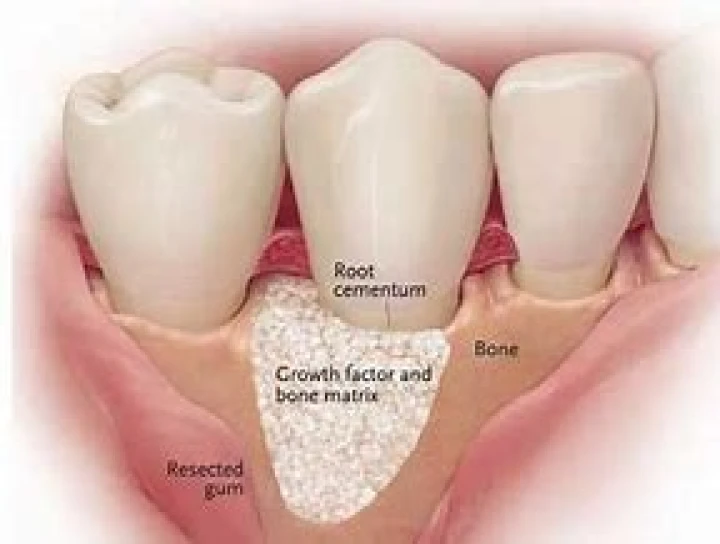
Guided Tissue Regeneration is a sophisticated technique used by periodontists to encourage the regrowth of bone and gum tissue lost due to periodontal disease. It involves placing a barrier membrane between the gum and the underlying bone. This membrane prevents the faster-growing gum tissue from occupying the area, giving slower-growing bone and connective tissues a chance to regenerate.
The goal of GTR is not just cosmetic; it aims to restore function and structure by regenerating the tooth’s supporting tissues, including the periodontal ligament and alveolar bone. GTR is often performed in combination with bone grafts or tissue-stimulating proteins to enhance the healing process.
How GTR Works in Practice
Here’s a general overview of how a GTR procedure is performed:
- Cleaning the Affected Area: The periodontist first removes bacterial plaque, tartar, and diseased tissue from the affected site.
- Placing the Membrane: A biocompatible membrane (resorbable or non-resorbable) is placed between the gum and bone.
- Encouraging Regrowth: This barrier allows the right types of cells to populate the area, promoting bone and ligament growth while keeping unwanted gum tissue out.
- Healing Period: Over time, the membrane may dissolve or be removed, and the tissue beneath it regenerates, restoring part of the lost support structure.
GTR isn’t suitable for all cases. It’s most effective in treating vertical (angular) bone defects rather than horizontal ones and requires a clean, well-maintained oral environment to succeed.
Gum Grafts vs. Regeneration
For cases where regeneration isn’t possible or ideal, gum graft surgery is the most common solution. In this procedure, tissue—either from the roof of your mouth or a donor source—is grafted onto the affected area. This can help restore the appearance and function of receded gums, but it’s not true “regeneration” in the scientific sense.
In contrast, regenerative therapies aim to rebuild the lost structures naturally, giving the body the tools it needs to heal itself—though the process is complex and not guaranteed to be fully successful.
The Role of Biomaterials and Growth Factors
Modern periodontics has made great strides through the use of biomaterials and growth factors. These include:
- Enamel matrix derivatives (EMD): Proteins that mimic those found during natural tooth development, encouraging tissue regeneration.
- Platelet-rich plasma (PRP): Concentrated growth factors from a patient’s own blood that enhance healing and tissue formation.
- Synthetic bone graft materials: Used in conjunction with GTR to promote new bone formation.
These innovations are helping push the boundaries of what's possible in gum regeneration.
Current Research and the Future of Gum Regeneration
Ongoing research in regenerative dentistry is exploring new materials and biological agents to improve outcomes. Some promising areas include:
- Stem cell therapy: Scientists are investigating the use of stem cells to regenerate periodontal tissues more predictably.
- Gene therapy: Though still experimental, it could one day allow targeted repair of damaged periodontal tissues.
- 3D printing and scaffold technology: These tools are being explored to deliver cells and growth factors with greater precision.
As these technologies evolve, they could make regenerative periodontal treatments more predictable, accessible, and affordable.
So, Can Gums Really Grow Back?
In summary, gums do not naturally grow back once receded, but modern periodontal treatments like guided tissue regeneration can help regenerate lost support structures under specific conditions. While not every patient is a candidate, and complete restoration is rarely guaranteed, significant progress is being made in the field of tissue engineering and regenerative medicine.
If you're dealing with gum recession, it’s crucial to consult a periodontist. With a personalized approach and the right techniques, partial regeneration is increasingly possible—offering both functional and cosmetic improvements. As research continues to evolve, the dream of truly regrowing gums may not be so far-fetched after all.
No Any Replies to “"Can Your Gums Grow Back? The Truth About Regeneration in Periodontics"”
Leave a Reply